
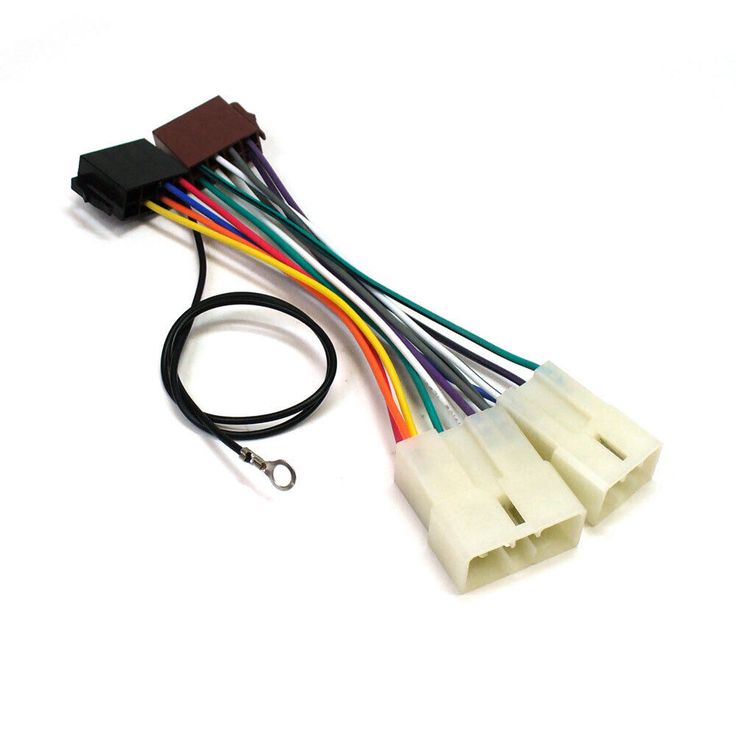
Robotics applications demand wire harnesses that endure constant motion, torsion, bending, and vibration while maintaining electrical performance. A well-designed high-flex wire harness ensures reliability, longevity, and optimal robot performance.
1. Understand the Motion Profile
- Dynamic vs. static zones: Identify parts of the robot where wires bend frequently versus those that are stationary.
- Bend radius: The harness should maintain a bend radius 5–10× the cable diameter to prevent conductor fatigue.
- Torsion cycles: For robotic arms, harnesses may undergo thousands of twists; consider twist-resistant cable constructions.
Tip: Use a motion simulation to map cable paths before design.
2. Select the Right Conductor Material
- Stranded copper: More flexible than solid conductors; ideal for dynamic applications.
- Silver-plated copper: Reduces oxidation and improves conductivity, especially for high-speed signals.
- Tinned copper: Cost-effective and suitable for general-purpose robotics.
Recommendation: Choose fine-stranded conductors for extreme flex applications.
3. Choose Cable Insulation for Flexibility and Durability
- Silicone rubber: High flexibility, temperature tolerance (-60°C to +200°C), and abrasion resistance.
- TPE / TPEE: Economical, flexible, and lightweight; suitable for moderate temperature ranges.
- FEP/PTFE: Excellent chemical resistance, low friction; ideal for robotics in cleanroom or medical environments.
Tip: Thin insulation layers reduce harness diameter but maintain electrical isolation.
4. Optimize Wire Harness Structure
- Individual cable bundles: Group power, signal, and data wires separately to reduce EMI and simplify routing.
- Twisted pairs for signal wires: Reduces crosstalk and improves signal integrity.
- Shielding: Use foil or braided shields for high-frequency or sensitive signals.
Hybrid approach: Combine micro coax + high-flex power lines for compact, multi-functional harnesses.
5. Design for Mechanical Protection
- Strain reliefs: Protect cable terminations at connectors or joints.
- Split tubing or spiral wrap: Protect harnesses in high-motion areas while allowing flexibility.
- Outer jackets: Flexible polymer jackets for abrasion resistance and environmental protection.
Tip: Avoid sharp bends and pinch points—use rounded cable guides and pulleys.
6. Select Appropriate Connectors
- Low-profile, high-flex connectors: Minimize torque and strain on the cable.
- High-cycle rated: Ensure connectors can withstand repeated mating and flexing.
- Custom board-to-cable solutions: Sometimes direct solder or flexible PCB attachments reduce stress.
7. Testing & Validation
- Dynamic flex tests: Simulate thousands of bend/twist cycles.
- Electrical testing: Continuity, insulation resistance, and impedance for signal cables.
- Environmental testing: Temperature, vibration, and chemical exposure if used in industrial robots.
Tip: Use robotic test rigs to emulate real operational conditions for accelerated life testing.
8. Documentation & Routing
- Clearly document cable lengths, bend radii, and bundle routing.
- Label cables for easy maintenance and troubleshooting.
- Provide 3D routing diagrams to ensure reproducibility during assembly.
Key Takeaways
- Start with a motion analysis of the robot.
- Choose flexible conductors and high-performance insulation.
- Protect the harness with strain relief, shielding, and outer jackets.
- Test under dynamic, environmental, and electrical conditions.
- Optimize connectors and bundle routing to extend harness life.
Please follow and like us:


