
Modern robotics and embedded systems integrate a wide range of electronic components that must communicate reliably with one another. These systems depend on cable assemblies to deliver electrical power, transmit control signals, and transfer data between sensors, processors, and actuators. While cables are essential to system functionality, managing them within moving or compact devices can present several engineering challenges.
Effective cable management involves designing routes that protect cables from mechanical damage while maintaining electrical performance.
Mechanical Stress and Repeated Motion
One of the primary challenges in robotics is the repeated motion of mechanical structures. Robotic arms, automated manufacturing equipment, and mobile robots may operate through thousands or even millions of movement cycles during their lifetime.
If cables are not routed correctly, repeated bending or twisting can weaken conductors and insulation layers. Over time, this mechanical stress may lead to signal interruptions or electrical failure.
Engineers typically address this issue by selecting flexible cable types and designing routing paths that maintain safe bending radii. Cable carriers, strain relief structures, and flexible harness designs help distribute mechanical forces more evenly across the cable.
Compact Electronic Layouts
Embedded devices often prioritize small size and high component density. Control boards, processors, communication modules, and power systems must fit into tight spaces. In these environments, cables must be routed carefully to avoid blocking ventilation, interfering with connectors, or placing pressure on circuit boards.
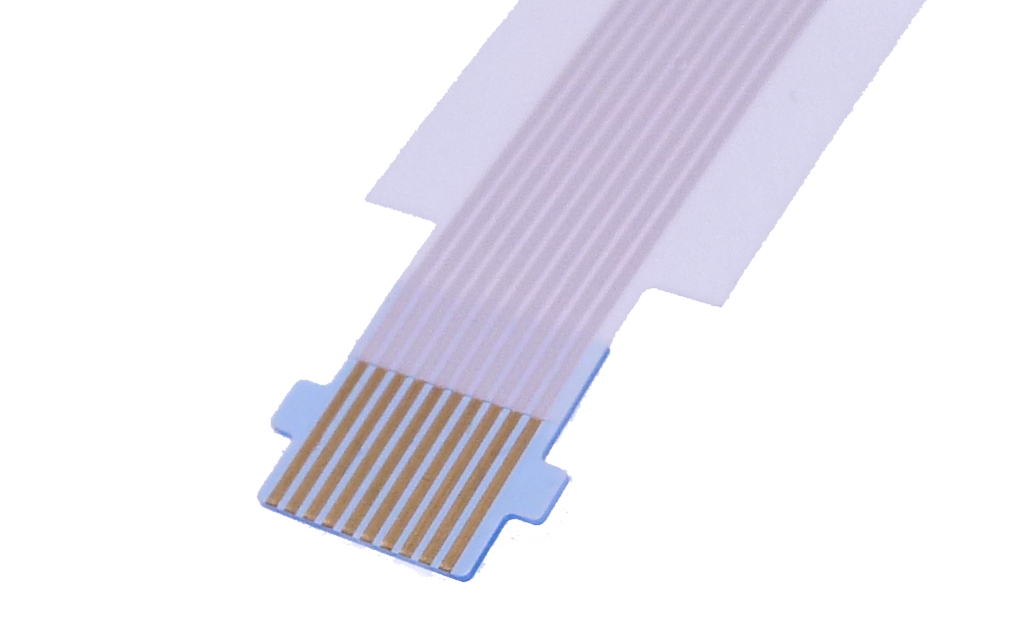
Compact cable designs such as flexible flat cables and micro coaxial cables are frequently used in these applications. Their thin profile allows engineers to route connections through narrow channels or between stacked electronic components.
Manufacturers specializing in custom cable assemblies, including companies like Darlox, produce cable solutions designed to fit these constrained layouts.
Avoiding Signal Interference
In embedded electronics, multiple signals often travel through closely spaced conductors. When high-speed data lines are positioned near power cables, electromagnetic interference can degrade signal quality.
Careful routing helps reduce these effects. Separating signal types, using twisted pairs for differential signals, and incorporating shielding structures can improve overall signal reliability. These strategies are particularly important in robotics systems where sensors and controllers must exchange data accurately and quickly.
Cable Organization and Reliability
Organized cable routing also contributes to long-term system reliability. When cables are arranged in structured harnesses or guided through dedicated channels, they are less likely to become tangled or damaged.
Clear cable organization benefits maintenance as well. Technicians working on robotic equipment can more easily trace connections and identify faults when wiring paths are well documented.
Conclusion
Cable management plays a significant role in the performance and durability of robotics and embedded electronics. Challenges such as mechanical stress, limited space, and signal interference require careful consideration during system design.
By implementing effective routing strategies and selecting appropriate cable structures, engineers can improve system reliability and support the growing complexity of modern robotic and embedded technologies.


