
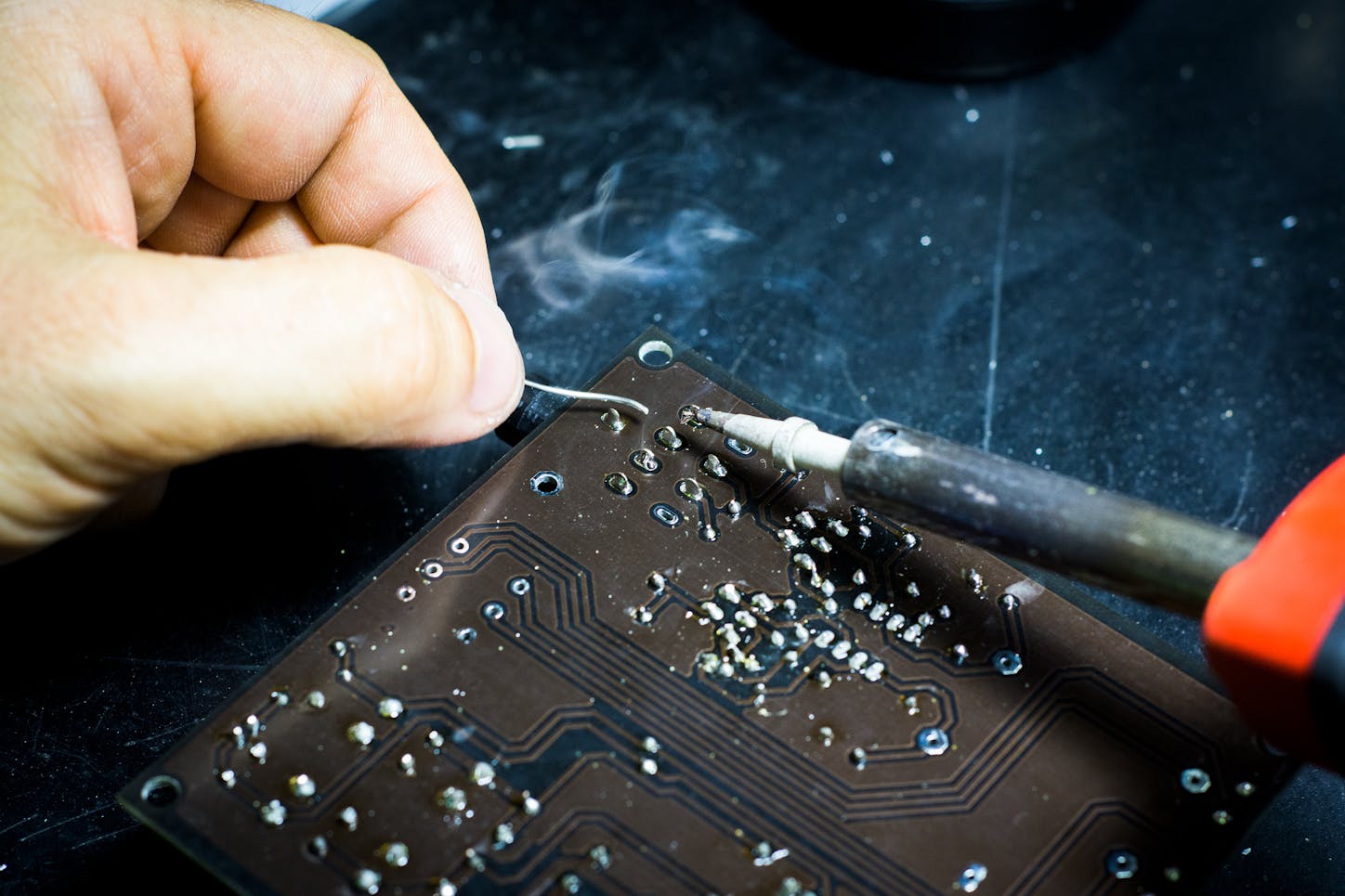
Electromagnetic interference (EMI) is a major challenge in industrial robotics, where dense electrical systems, high-speed data transmission, and continuous motion coexist. Poor EMI control can lead to signal degradation, data errors, and even system failure. Implementing effective shielding techniques in robotic cable assemblies is essential for maintaining signal integrity and ensuring reliable operation.
1. Understanding EMI in Robotics
EMI occurs when electromagnetic fields from one device interfere with another. In robotic environments, common EMI sources include:
- Servo motors and drives
- Variable frequency drives (VFDs)
- Power cables carrying high current
- Wireless communication systems
Sensitive components—such as sensors, vision systems, and control units—are particularly vulnerable.
2. Types of EMI in Cable Assemblies
Conducted EMI
Travels through conductors (power or signal lines)
Radiated EMI
Propagates through the air as electromagnetic waves
Crosstalk
Interference between adjacent cables or conductors
Understanding these types helps determine the right shielding approach.
3. Shielding Materials and Structures
Braided Shielding
- Made of woven copper or aluminum strands
- Provides strong mechanical durability
- Typically offers 70–95% coverage
Foil Shielding
- Thin aluminum/polyester layer
- Provides 100% coverage against high-frequency EMI
- Often paired with a drain wire for grounding
Combination Shielding (Foil + Braid)
- Best of both worlds
- Foil blocks high-frequency interference
- Braid improves low-frequency shielding and durability
👉 Best practice: Use combination shielding for high-performance robotic applications.
4. Cable Design Techniques for EMI Reduction
Twisted Pair Configuration
- Reduces electromagnetic radiation
- Cancels out noise through differential signaling
Controlled Impedance Design
- Maintains signal consistency
- Reduces reflections and noise susceptibility
Separation of Power and Signal Lines
- Avoid running them in parallel
- Maintain physical distance to minimize coupling
5. Grounding and Shield Termination
Shielding is only effective if properly grounded.
Key principles:
- 360° shield termination at connectors
- Avoid “pigtail” grounding (reduces effectiveness at high frequencies)
- Use low-impedance grounding paths
- Ground at one or both ends depending on system design
👉 Poor grounding can negate even the best shielding design.
6. Connector Shielding
Connectors are often the weakest point in EMI protection.
Best practices:
- Use metal-shell connectors
- Ensure full shielding continuity through the connector
- Minimize gaps between cable shield and connector housing
7. Cable Routing Strategies
Proper routing is critical in robotic systems.
- Keep cables away from high-power sources
- Avoid tight bundling of mixed signal types
- Use separate cable trays for power and data
- Cross power and signal cables at 90° angles if necessary
8. High-Flex Shielding Considerations
Robotic cables must withstand millions of շարժման cycles.
Design challenges:
- Shield fatigue and breakage
- Maintaining shielding effectiveness under torsion
Solutions:
- Use high-strand-count braided shields
- Select flexible shielding materials
- Optimize cable construction for torsion مقاومت
9. Testing EMI Performance
To validate shielding effectiveness, manufacturers use:
- Shielding effectiveness (SE) testing
- Near-end crosstalk (NEXT) measurement
- Insertion loss and return loss testing
- EMC compliance testing
Standards such as IEC 61000-4-6 help ensure reliable performance in industrial environments.
10. Applications in Industrial Robotics
Effective EMI shielding is critical in:
- Robotic vision systems (high-speed data cables)
- Automated assembly lines
- CNC and precision machinery
- Medical and laboratory robots
- Smart factories with IoT integration
Conclusion
EMI shielding in robotic cable assemblies is not just about adding a layer of protection—it requires a holistic design approach that includes materials, grounding, routing, and mechanical durability. As robotic systems become more complex and data-intensive, the importance of robust EMI shielding continues to grow.
For manufacturers and OEMs, investing in advanced shielding techniques ensures stable performance, reduced downtime, and long-term system reliability—especially in high-speed, high-flex robotic applications.


