
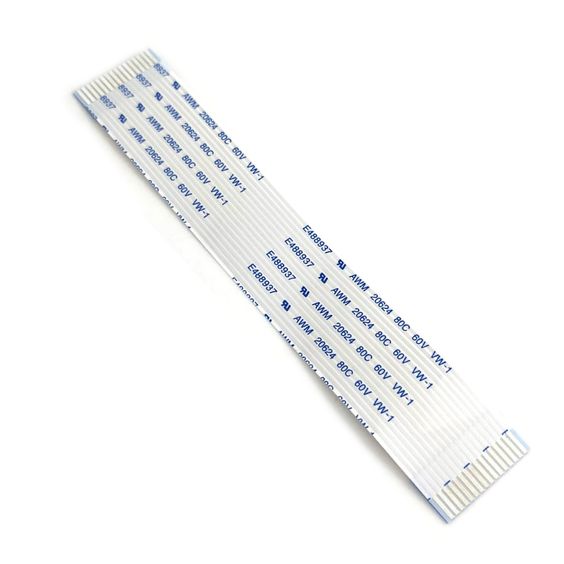
Flexible Flat Cables (FFCs) are widely used in modern electronic products where space saving, flexibility, and reliable signal transmission are essential. From consumer electronics and industrial automation to medical devices and robotics, the performance of an FFC cable often depends not only on its design but also on the capability of the FFC cable supplier behind it. Understanding what a professional supplier offers can help engineers and purchasing teams make better sourcing decisions.
What Is an FFC Cable?
An FFC (Flexible Flat Cable) consists of flat, parallel conductors laminated between insulating films. Compared with round wire cables, FFCs provide a thinner profile, consistent impedance, and easy termination with board-to-board or board-to-wire connectors. Common specifications include pitch, conductor count, conductor plating, cable length, reinforcement options, and shielding.
Because these parameters directly affect electrical and mechanical performance, selecting the right FFC cable supplier is critical.
Key Capabilities of a Professional FFC Cable Supplier
A reliable FFC cable supplier is more than a parts vendor. They provide engineering support, stable manufacturing processes, and consistent quality. Core capabilities usually include:
1. Custom Design Support
Many applications require non-standard FFC configurations. A qualified supplier can customize pitch, pin count, conductor material, plating type, and insulation to match specific connector systems and performance requirements.
2. Material and Process Control
High-quality FFC cables depend on stable raw materials and controlled lamination, etching, and punching processes. Experienced suppliers maintain strict control over copper thickness, insulation films, and adhesive layers to ensure uniform electrical performance.
3. Electrical and Mechanical Testing
Professional FFC cable suppliers conduct continuity testing, insulation resistance testing, and bending or flex-life tests. For high-reliability applications, additional testing such as impedance control or environmental aging may be required.
4. Compliance and Traceability
Most global markets require RoHS and REACH compliance. Reputable suppliers also offer batch traceability and quality documentation to support customer audits.
Applications Served by FFC Cable Suppliers
FFC cable suppliers typically serve a wide range of industries, including:
- Consumer Electronics: Displays, printers, cameras, and laptops
- Industrial Equipment: Control panels, sensors, and automation systems
- Medical Devices: Diagnostic equipment, imaging systems, and patient monitors
- Robotics and AI Hardware: Compact, high-flex interconnects for motion systems
Each industry has different requirements for flexibility, durability, and signal integrity, which makes supplier experience especially important.
Evaluating an FFC Cable Supplier
When comparing different FFC cable suppliers, consider the following factors:
- Manufacturing capacity and lead time stability
- Ability to support low-volume prototypes and mass production
- Experience with international connector standards
- Quality management systems and inspection procedures
- Communication efficiency and engineering responsiveness
A supplier with in-house engineering and testing capabilities can often shorten development cycles and reduce overall project risk.
Darlox as an FFC Cable Supplier
Darlox (Guangzhou Zhijian Electronic Co., Ltd.) is an experienced FFC cable supplier specializing in custom cable assemblies for industrial, medical, and robotics applications. With strong design support and fast turnaround capability, Darlox works closely with customers to develop FFC solutions that meet electrical, mechanical, and environmental requirements. Their manufacturing processes focus on consistency, reliability, and compatibility with major connector systems.
Conclusion
Choosing the right FFC cable supplier plays a crucial role in the performance and reliability of electronic products. Beyond price, factors such as engineering support, quality control, customization capability, and industry experience should guide supplier selection. By working with a professional and technically capable supplier, manufacturers can ensure stable interconnect performance and long-term product reliability.


