
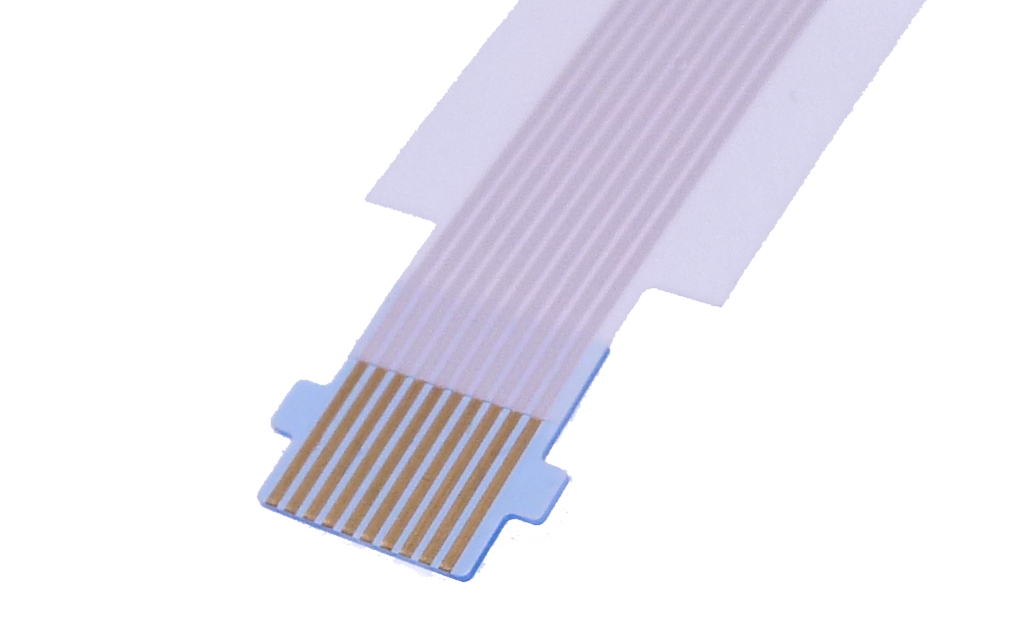
As electronic devices become smaller and more compact, engineers require connection solutions that occupy minimal space while maintaining reliable signal transmission. Flexible flat cables (FFC) have become widely used for this purpose.
Flexible flat cables consist of multiple parallel conductors embedded within a thin, flexible insulating film. This structure allows the cable to bend easily while maintaining a consistent conductor layout.
Advantages of Flexible Flat Cables
One of the primary advantages of flexible flat cables is their compact structure. The thin profile allows them to fit into narrow spaces within electronic devices where traditional round cables may not be suitable.
Their flat geometry also helps maintain consistent conductor spacing, which can support stable signal transmission.
Applications in Embedded Electronics
Flexible flat cables are commonly used in embedded electronics to connect circuit boards, display panels, sensors, and communication modules. Devices such as laptops, printers, industrial displays, and control systems often rely on FFC connections.
Because these cables can be folded or routed through tight spaces, they simplify wiring within compact enclosures.
Manufacturing and Customization
Flexible flat cables can be manufactured in different lengths, conductor counts, and pitches depending on the requirements of the device. Connector compatibility is also an important consideration when integrating FFC cables into electronic systems.
Companies such as Darlox develop custom FFC cable solutions used in electronics and embedded applications.
Conclusion
Flexible flat cables provide an efficient solution for compact electronic systems. Their thin structure, flexibility, and organized conductor layout make them suitable for many modern devices where space and reliability are important design considerations.


