
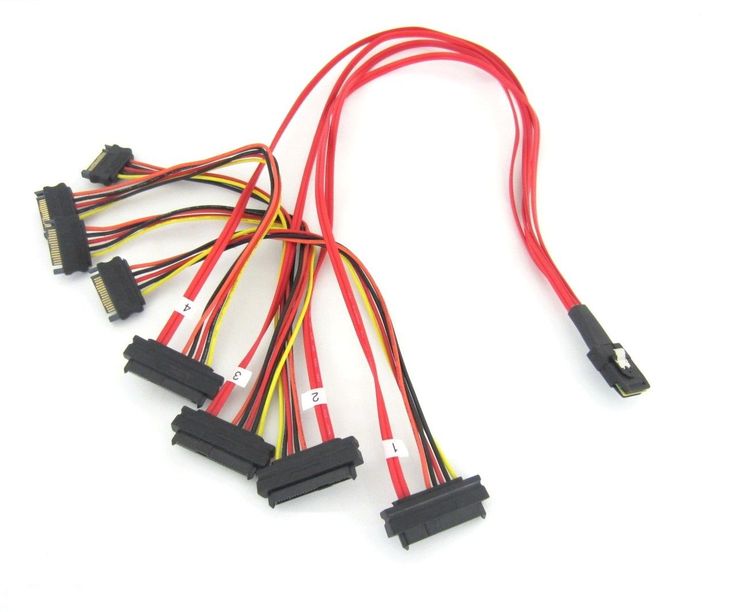
Medical cable assemblies play a critical role in today’s healthcare ecosystem, acting as the essential link between advanced medical devices and the patients they support. From imaging equipment to surgical tools and patient monitoring systems, dependable cable assemblies ensure accurate data transmission, stable power delivery, and safe operation. As medical technology becomes more compact and intelligent, the demand for high-performance medical cables continues to grow.
What Are Medical Cable Assemblies?
Medical cable assemblies are specialized cables designed to connect various medical devices, typically consisting of conductors, insulation, connectors, shielding, and overmolding. These assemblies must meet strict standards for:
- Biocompatibility
- Durability and repeated flexing
- EMI/RFI shielding performance
- Sterilization compatibility
- High signal integrity
Because medical devices are used directly with patients, cable assemblies must be safe, reliable, and engineered to operate in demanding clinical environments.
Key Applications of Medical Cable Assemblies
1. Patient Monitoring Systems
Cables used for ECG, SPO2, blood pressure, and temperature monitoring require high accuracy and stable signal transmission. Flexible, lightweight designs improve patient comfort.
2. Diagnostic and Imaging Equipment
Ultrasound, CT, MRI, and endoscopy systems demand ultra-low-noise coaxial or micro-coax cable assemblies to deliver high-resolution images and precise data.
3. Surgical and Minimally Invasive Tools
Modern surgical robots and endoscopic tools rely on miniature cables that can withstand bending and sterilization processes.
4. Therapeutic Devices
From infusion pumps to life-support systems, reliable power and control cables are essential for uninterrupted operation.
5. Laboratory and Diagnostic Instruments
High-frequency data transmission cables support real-time analysis and accurate diagnostics.
Key Features of High-Quality Medical Cable Assemblies
Biocompatible Materials
Materials must be safe for direct or indirect human contact, passing ISO 10993 standards.
Flexibility and High Bend-Life
Medical devices often require constant movement, so cables must resist fatigue and maintain long-term reliability.
EMI/RFI Shielding
Stable signal performance is crucial in environments filled with electronic equipment.
Sterilization Resistance
Cables may need to withstand autoclaving, EO sterilization, or chemical cleaning without degradation.
Miniaturization
Micro-coax cables and fine-pitch assemblies support modern compact medical devices and robotic instruments.
Customization in Medical Cable Manufacturing
Every medical device has unique connectivity needs. Custom medical cable assemblies allow OEMs to specify:
- Cable type (PVC, TPU, silicone, micro-coax, FFC/FPC)
- Conductor size and materials
- Specific connectors (e.g., LEMO, custom PCB, medical-grade)
- Strain relief and overmolding
- Shielding structure
- Color-coding and labeling
- Sterilization requirements
With tailored engineering, manufacturers can achieve optimal performance and compliance.
Why High-Quality Manufacturing Matters
Medical cable assemblies must pass strict inspection and testing, such as:
- Electrical performance tests
- Pull force and flex-life testing
- High-voltage and continuity tests
- Environmental and aging tests
A reliable manufacturing partner ensures consistent quality, patient safety, and compliance with international standards like ISO 13485.
Conclusion
Medical cable assemblies are the backbone of modern healthcare technology. As medical devices continue to advance—becoming smarter, smaller, and more integrated—the demand for precision-engineered, durable, and safe cable assemblies will keep growing. Choosing a trusted manufacturer is key to ensuring that every device performs flawlessly in critical medical environments.


