
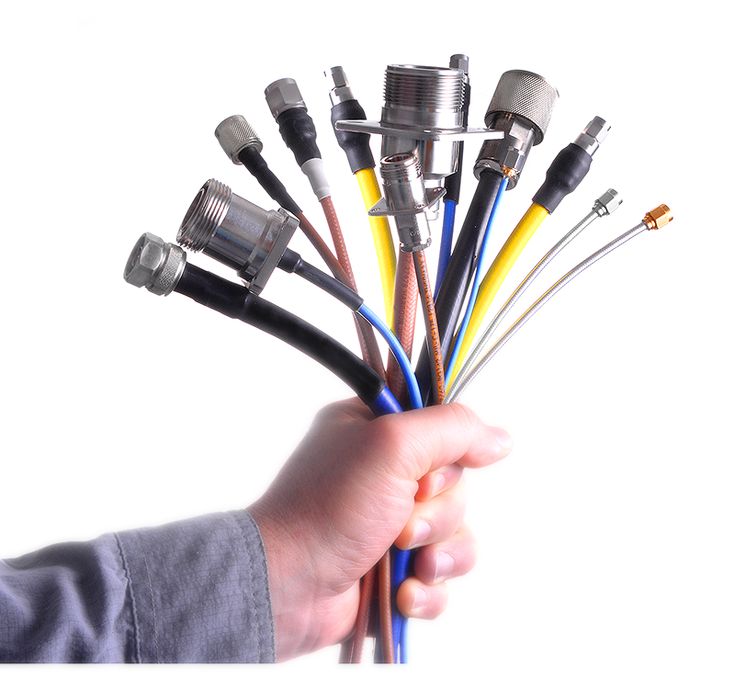
From the sleek dashboard of your car to the towering control panels of industrial robots, wire harnesses silently serve as the vital nervous systems of countless electronic and electrical systems. Far more than just bundles of wires, these meticulously assembled components organize, protect, and streamline complex electrical connections. Understanding the different types of wire harnesses is crucial for selecting the right solution for any application. Let’s explore the primary classification categories:
1. Classification by Structure & Geometry:
- Simple Wire Harnesses (or Cable Assemblies): These are relatively straightforward bundles containing a small number of wires (often 2-10), terminated with basic connectors (like spade terminals, ring terminals) or simple plugs/sockets. They are common for internal connections within smaller devices or appliances (e.g., connecting a power switch to a motor, linking sensors on a small control board).
- Complex Wire Harnesses: As the name implies, these are intricate assemblies involving dozens, hundreds, or even thousands of wires. They feature multiple branches, sub-assemblies, various connector types, intricate routing through conduit or sleeves, splices, and robust protection. Examples include:
- Automotive Main Wiring Harness: The primary backbone connecting the engine, chassis, body control modules, dashboard, and rear lights.
- Aircraft Wiring Harnesses: Highly complex and rigorously tested harnesses connecting avionics, control surfaces, lighting, and sensors throughout the aircraft structure.
- Industrial Machine Harnesses: Controlling motors, PLCs (Programmable Logic Controllers), HMIs (Human-Machine Interfaces), and sensors in manufacturing equipment.
- Flat Cable Harnesses (FFC/FPC): These utilize Flexible Flat Cable (FFC) or Flexible Printed Circuits (FPC).
- FFC Harnesses: Consist of flat, ribbon-like cables with parallel conductors laminated between insulating films. Terminated with specialized connectors (often ZIF – Zero Insertion Force). Ideal for space-constrained, high-density connections with repeated flexing, common in printers, scanners, laptops, and LCD panels.
- FPC Harnesses: Similar in form to FFC but involve printed conductive traces on a flexible substrate, allowing for more complex circuit patterns and integration of components. Used in high-end consumer electronics, compact cameras, and medical devices.
- Molded Wire Harnesses: Terminations (wires to connectors) or specific junction points are encapsulated in molded plastic. This provides excellent strain relief, environmental sealing (against moisture, dust, chemicals), and a robust, durable connection. Common in automotive sensors, outdoor lighting, and appliance connections.
2. Classification by Application Environment & Protection:
- Standard Harnesses: Designed for benign, controlled environments like office electronics or indoor equipment panels. Use basic sleeving (braided loom, split loom) or tape wrapping for light protection against abrasion and basic organization. Minimal sealing on connectors.
- Environmentally Sealed Harnesses: Built for harsh conditions involving moisture, dust, chemicals, or temperature extremes.
- Water-Resistant/Waterproof Harnesses: Utilize sealed connectors (IP67, IP68, IP69K ratings), specialized sealing grommets where harnesses pass through enclosures, and moisture-blocking tapes or seals. Critical for outdoor equipment, marine applications, and washdown areas in food processing.
- High-Temperature Harnesses: Employ wires with high-temperature insulation (e.g., Teflon/PTFE, Silicone, Fiberglass), heat-resistant sleeving, and connectors rated for elevated temperatures. Found in engine compartments, near industrial ovens, and aerospace applications.
- Chemical-Resistant Harnesses: Use wire insulations and jacketing materials resistant to specific oils, solvents, or corrosive agents. Common in chemical plants and refineries.
3. Classification by Industry & Specific Standards:
- Automotive Wire Harnesses: Subject to stringent standards (like ISO 6722, SAE J1128, OEM-specific specs). Feature specific wire types (thin-wall), color-coding schemes, connectors (e.g., Deutsch, AMP/Tyco, Molex MX150), robust protection (conduit, abrasion-resistant tape), and high resistance to temperature, oil, fuels, and vibration. Designed for modular installation in vehicle assembly plants.
- Aerospace & Military Wire Harnesses: Meet rigorous performance and safety standards (e.g., AS50881, MIL-W-22759, MIL-DTL-38999). Use high-reliability, lightweight wires with exceptional resistance to temperature extremes, fire (fluoropolymer insulation), and chemical/fluid exposure. Connectors are often high-density circular mil-spec types with sophisticated backshells for EMI shielding and environmental sealing. Routing and installation must meet strict requirements.
- Industrial Wire Harnesses: Used in machinery, automation, control panels, and robotics. Vary widely in complexity. Often feature durable sleeving (nylon braid, PVC spiral wrap), industrial-grade connectors (e.g., M8/M12 sensors, D-Sub, Rectangular industrial connectors), and may require resistance to oils, coolants, and mechanical stress. Must comply with relevant electrical safety standards (e.g., UL, CSA, IEC).
- Appliance Wire Harnesses: Found in white goods (washing machines, refrigerators), consumer electronics, and power tools. Often molded or use simple terminations, designed for safety (UL/ENEC compliance) and cost-effectiveness. Vibration resistance is often important.
- Medical Wire Harnesses: Require high reliability, biocompatibility (for patient-contacting parts), stringent cleanliness standards, and often flexibility. May need specialized shielding and connectors. Used in diagnostic equipment, patient monitors, and surgical tools.
Key Considerations When Choosing a Type:
- Application & Environment: The operating conditions (temp, moisture, chemicals, vibration) dictate protection level and materials.
- Complexity & Density: Number of circuits, branching needs, and space constraints determine structure (simple bundle, complex branching, flat cable).
- Terminations & Connectors: Required connectors influence harness design and manufacturing.
- Industry Regulations: Mandatory safety and performance standards must be met (Automotive, Aerospace, UL, etc.).
- Cost & Volume: Production volume influences manufacturability choices (automation vs. manual).
Conclusion:
Wire harnesses are far from one-size-fits-all. Selecting the appropriate type – based on structure, environment, industry standards, and functionality – is paramount for the performance, safety, and longevity of any electrical or electronic system. Understanding these fundamental categories provides a solid foundation for specifying, designing, or procuring the essential wiring backbone that powers our modern world. From the simplest jumper to the most complex aerospace assembly, the right harness ensures seamless and reliable connectivity.
References & Further Reading:
- Bishop, R. H. (Ed.). (2010). The Mechatronics Handbook (2nd ed.). CRC Press. (Sections on wiring and connectivity).
- Society of Manufacturing Engineers (SME). Various resources on wire harness manufacturing processes.
- Connector manufacturer specifications (TE Connectivity, Amphenol, Molex, etc.).
- Wire standards (ISO, SAE, UL, MIL).


