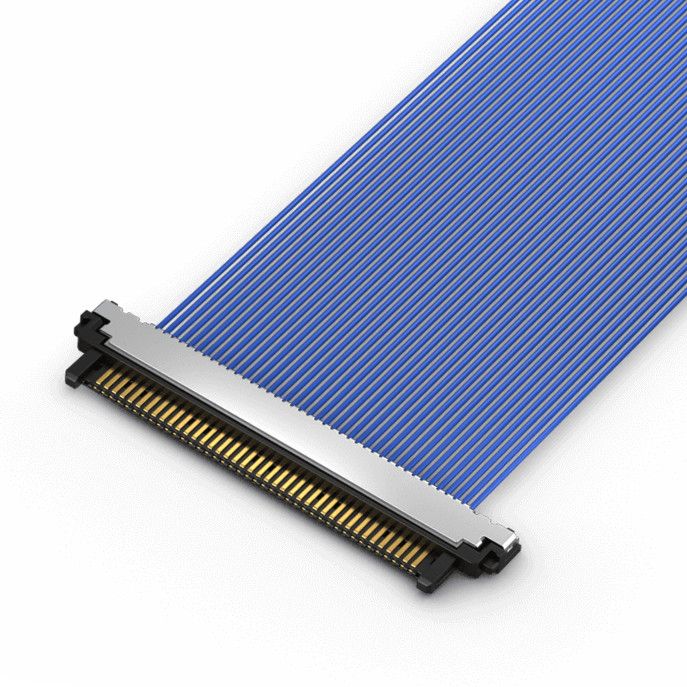
Medical Cable Assembly Design Requirements and Standards

Cable Assembly and wire harness manufacturing solution

Designing medical cable assemblies is fundamentally different from standard industrial cables. Beyond electrical performance, you must meet strict patient safety, biocompatibility, sterilization, and regulatory compliance requirements.

Here’s a clear, engineering-focused guide to the key design requirements and standards 👇

1. Safety & Regulatory Compliance

https://images.openai.com/static-rsc-4/URY84B5qZWwZv5s_EAGfjm56a-1c0A72tIicgazWXX_Q_4nE4g5xwehtpEAfcnmh7TluSbm2eFFW-wi94xnifI_Te21ncW9G6lATkdebd_FVA6-hYnn20y3Evg0YC3h4CrxF3M9sfznPhgysR7YoTKsjskE7ERlMmdbeFhKuuGvdRcSuA9RztU5PmlLI4Sra?purpose=fullsize
https://images.openai.com/static-rsc-4/oePKYK4asczBU7MD9rhLamriexfFWoeieMRDZftdugV66tqy9WtkL2at84Iqr6peANdxUvsbljuHGDt8S9dvNifqL7DyYGEiHfvfWKvTjfx0IAYeLVqwmUP0inYd30bxc32Y1qg1dyyxfDLvht1zLK8q5p8P_sVgC-4vWfwW1Wt5mvNalGrhiFWZU-7Zm-hA?purpose=fullsize
https://images.openai.com/static-rsc-4/_G2KeKIs_8GAy9GCSK1eXVkwerZ86WzOOZWQiO1H2v71_PKin-AdBOtKt7PN8HNueWKp9tf-_cQqsqon-5y4JTTXa5S7j1UJARj8zh98cZ8QPJ1ccLZQ7K9FIfglVaMrDJr2g6McurI1vLUKx-v4N_Yjv7N5b7w5yLJLY8JKqWwvdrmbChz5NUpchYFaQZZt?purpose=fullsize

6

Medical cables must comply with globally recognized safety standards.

Core standards:

  • IEC 60601-1
    → Covers electrical safety, leakage current, insulation
  • ISO 10993
    → Ensures materials are safe for skin/patient contact
  • RoHS Directive
    → Limits toxic materials (lead, mercury, etc.)
  • REACH Regulation

Key design focus:

  • Patient isolation (especially for diagnostic cables)
  • Low leakage current
  • Double/reinforced insulation

2. Biocompatible Materials

https://images.openai.com/static-rsc-4/BBY40XCyGBof-2_hTnRAOhCG2mNQVx-Gvxa_PCxndSSTZVFd5WkkePkBYwRI3QiyMDGqr-GWashHJc5m89tmlgitKH6oNSO_jNm619PJNa2Jc3HayHcOv1qDmuHHFEYqrlQRLMzGCQzMddRF2jloK9g2ih9glxZNUPA-R-2bAArSiuNCZHjnCdF2ml4kjWLY?purpose=fullsize
https://images.openai.com/static-rsc-4/VYorjmVv0VJZIyIR_ksL3jpXee2R0si3AXCsXA7VSVTpP5Is1NbHaw56E1q_b-V9Pt-ECkf3Y5Xg1FAbwolyrfKZdzhTKbfhzjDzIni_ssHyUryiM2YVuXuCHO54iT_1ELfmg1eOymhKl8ulX04ZwoRpNLFtm-2Cx4BZD3k8QMp32QA-6E4OKBE_H14sLTF1?purpose=fullsize
https://images.openai.com/static-rsc-4/RsXi_ivi3wwfhK-1_26scVYIMTVJx0vb5yOFz3zsLzzJDUXXzJcXQvFoZBJOOOsx7XoqXTbOZBzaTH5wfYDfJN11nJzTDgNGUICK4o-C-qIUw0wcVdBQ8bJojytwUK7jtivrtFSOcnnRf7QLAor6Z1DmQGzjsjjp0_EQEoQBWEpNjfMGdVw6a4xqzd3_yOcN?purpose=fullsize

7

Materials must be safe for human contact, sometimes long-term.

Common materials:

  • Silicone → soft, flexible, skin-safe
  • TPU (Thermoplastic Polyurethane) → durable, abrasion-resistant
  • TPE → cost-effective alternative

Requirements:

  • Non-toxic, non-irritating
  • Resistant to body fluids
  • No harmful plasticizers

3. Sterilization Compatibility

https://images.openai.com/static-rsc-4/QOL4GcCZTQV-52xHxoGdgFJ6s4skeFEuEsYrnB145Yi46atDwKXxdkxNNr8wu3zgYd_emzDLOzIBbB9YKrRt4UPup064niDE6KWe0FDafaPxlXYUKpMtCkkvD9jqenEB2cqSX8gjoYTsE-V92nAyS8CHVDEwdseyyZ8Ihz2QO2bvg2cNx-3SWItAOz8dwt8r?purpose=fullsize
https://images.openai.com/static-rsc-4/zHMkEToa3byJ8Bp6fqqME2ke7H-879j1fPl6_oVgZsbcprMm8l5of1xJUeLB3OdGjdg4gBYzUKDSTBTdMCGC5TWlNDEVedEe8cZ8Dx3DM9Giu68e9LjH_YQt857l7V1Uzud04-zJdfDMsEHozlZnI0MYb8qQJJzwu8Lyck1neeWx4CrF8VQ1IPVpDEQhlWze?purpose=fullsize
https://images.openai.com/static-rsc-4/5q6E4Zfb3DCIiwwu6J5xTReSydZfItkRtrN2z7fOSWw7YbZf54DHknhlaeUFV3WyxP8hiKb-WXgQO6yLzFgr6HjhSrcDFB5teDAcdQR8WUtld7aGXTuteDOcuH2gdC3ZwFt1gJiJPxCJuQGAZZl8nhf1psKzE39exeBNg8CHisIHCC8gUi2wdyKxQ-twF6Xs?purpose=fullsize

6

Medical cables often undergo repeated sterilization.

Supported methods:

  • Autoclave (steam, high temp)
  • EtO (Ethylene Oxide gas)
  • Gamma irradiation

Design considerations:

  • Material must not degrade, crack, or discolor
  • Maintain flexibility after cycles
  • Connector sealing must remain intact

4. Shielding & Signal Integrity

https://images.openai.com/static-rsc-4/C8brdhF882-hR_7hh_OTXRoTMpiXhosgxWOI4k1vkZ2HhImzeSwf0nSEdCdVU4h9lIjlOSW9ixKchnT7MbaWn0OcvnjWkhGfIHSE_CuVO4leWX9L3xDlXQrsgeKa_L49WpRPn4AvzoIYfqmC7D0n_9OImq9f22-1yzjKbTjBvCWbhZmIRnBfvfqMKV6mttSf?purpose=fullsize
https://images.openai.com/static-rsc-4/PmfYWsPXBSOBHT5UNusC3RLDU7RMmETsekjVjr33r4zPR73lfkHmrhCtVrXmDJmhSmOdYv-Nj7454WaJ2ZC3YFMmr3QJ-nN8fSVHk2UXEJATXZ-ZnzWlzjNsS8-jK9Hb7lGaxgN67L3mzgFZL11nYU2nMV2duvbAh_P956a2hccpfUr_B_0aiJzPfiuSoGWY?purpose=fullsize
https://images.openai.com/static-rsc-4/ktx61NMj-y7mG62GncBVBLOAmZ1IVzx4NzSf8DNpfuDRm5pCxnhvERWmCNwUMnJfOyp64tYuyKmkq2YLdDfCQMCgLZKsrsGRW3PQFmWPgIKHaZjbl_s27uH72MW7uqsKzW62X8H3MhdiQVH6N_gFca_aGOuMDvZ4N_qEgVzvBDxIM_6E43Tu7VhFws3UJknf?purpose=fullsize

8

Medical signals (e.g., ECG, imaging) are extremely sensitive.

Requirements:

  • Low EMI (Electromagnetic Interference)
  • Stable signal transmission
  • Minimal noise

Techniques:

  • Twisted pair design
  • Foil/braid shielding
  • Proper grounding (drain wire)

5. Mechanical Reliability & Flex Life

https://images.openai.com/static-rsc-4/IdOCuwfkeXcNThF7hSW_gpxxJopoKUf4LFk1Dh2dS8oJTnSISel5MxRqUbJZPyJqRrQreTiCn-HIg9PYXMdG1dufydkLO9MH0SzaFUE3LNMXPAjIh8HWmdZLYJwp_itrcKJRA_SrfCL1NiyIWzq5li4akuKehbdWC0-5oc7cinrlyz7CZp8RMPqYmbDSLByf?purpose=fullsize
https://images.openai.com/static-rsc-4/LBW-9b_m7PUJmuz92wdJNA7l9XV8fHbNemArLyd-KVnl3TusV7WKBEDtwyE1op_U5cnZGDQADNQ7zFz6bbKd_HbP8-Rxa_5kC8NrfFrGpVVGz6QuS4kKTona_OO7izglOjRa21HrGVJuVFMvUrfS_nLATCgUMGZsiRtH1Vs9xLb0_0t44lycoCi3q4SX-LC4?purpose=fullsize
https://images.openai.com/static-rsc-4/yZYgAG4QZejsP1QCfy65w5M8Wz-fNe-zE-wCrYQfa0KZlba4p_zFlkCvt-E_QNAWjtLBlHkZnxFhfFFUgDkgmxoQ1rn_lh60RDCCNLNX-MCXjcmHQh82Em47glri1YNZjbepUM8JJzEO4GsB8jSN-AQDHfe4J6VLymlecEdrxHpQlm3w5EykV-1Wfpjuc9CI?purpose=fullsize

6

Medical cables are frequently bent, pulled, and moved.

Key features:

  • High flex life (thousands to millions of cycles)
  • Reinforced strain relief
  • Overmolding for durability

Typical failure points:

  • Connector junction
  • Repeated bending areas

6. Cleanability & Chemical Resistance

https://images.openai.com/static-rsc-4/C8brdhF882-hR_7hh_OTXRoTMpiXhosgxWOI4k1vkZ2HhImzeSwf0nSEdCdVU4h9lIjlOSW9ixKchnT7MbaWn0OcvnjWkhGfIHSE_CuVO4leWX9L3xDlXQrsgeKa_L49WpRPn4AvzoIYfqmC7D0n_9OImq9f22-1yzjKbTjBvCWbhZmIRnBfvfqMKV6mttSf?purpose=fullsize
https://images.openai.com/static-rsc-4/WV_JrSsH1aW-XkAQbkGf3umpt6PHsX4Drs4VIa3uw-Imip_U0miVqyASbnyqHnedqQ58QdUXcBPiCT9wDfut6EHsu6c6zofiADlNRC6coeUC5aDMPWm05ARJkuy-9NAzw62vye2nYUv5u4j3raW3xXgSNPcxc4Ha9cDg8amwC3Yfx4Qm9jbSi_AlKKjfYCye?purpose=fullsize
https://images.openai.com/static-rsc-4/2OZpHiVAzubDHwk2BWXlk60zjJ4Oo9RZ1T36vi1jA4ILXCGypXs2QOvdOSPzwwDFxL3e6zon14OKqICLro2Kx8hSfNBrfJAp-ayt1sLnqBDT4YmQbxS6OscL304o1Ioig_zbcyZcRO5FcLTGJ1e5YvzAcDjRLo6b46q-DEKtlLHhlwTOqNBX7hYzh9qZA42J?purpose=fullsize

7

Hospital environments require frequent cleaning.

Design needs:

  • مقاومة (resistance) to:
    • Alcohol
    • Bleach
    • Disinfectants
  • Smooth outer jacket (no dirt traps)
  • Optional antimicrobial coatings

7. Connector Design & Ergonomics

https://images.openai.com/static-rsc-4/2LrqdWEhTuCLDIB4FodHdzWiJpy_qB2TlhryNoFWlykH88YzE3xhj4R7RVlwxLga8f_3RNMJ3jcCTSsvySqRqWfFGSFDCVqXi7l7QeNXHMUBuEbS7vKuA3YPcXIQkJ5705dMUtk-H93p2HtbMlWLm7XNC10iqHMZ4IaHqpQ9GKKFpvEYqT3l_aIMwSJS4J1J?purpose=fullsize
https://images.openai.com/static-rsc-4/HLeidIBxYJiKvv0ICSNVK2MVZiK7CtDEaWv5Fy5lpROtl0bWDq8ED2pc-Jk2eIb-VhxnAXyQqwpRqU7tc4yuAXL_Rfvq4k0DWrcX4--7k7rVKd3if0X8xv2nNjQaDglGq4ufXUIgfF8rguBybekxGyj8Qraxe7YJYRhKMjNaMpFj-IvnPQMRrMcoFV29kXwQ?purpose=fullsize
https://images.openai.com/static-rsc-4/zeyovvViPNvjJc35tHBtx7K-S41AiX0jcufK2fNrCeK0BXGHOXrvKEQ_Huuyz9PDnqqL0ZRjir1s_zPZKXkdni7Dh3b0nV2UauOVbHTvavDhSNOmhqY3tw6PB0AZnAIZaRKy0sdwYpJ6wx_3Fa3kHC-TFBkfkZiTU1LfSbj96Yc7IEkYXAQSJxjwCn4tE9E7?purpose=fullsize

8

Connectors must be safe and easy to use in clinical settings.

Consider:

  • Touch-safe design
  • Color coding for quick identification
  • Push-pull locking mechanisms
  • Compact size for dense equipment

8. Standards for Testing & Quality

Common validation tests:

  • Dielectric withstand test
  • Flex/bend cycle testing
  • Tensile strength test
  • Aging & sterilization cycle testing

Quality systems:

  • ISO 13485
    → Required for medical device manufacturers

9. Application-Specific Requirements

Different medical applications demand different cable designs:

Diagnostic equipment (ECG, EEG)

  • Ultra-low noise
  • Lightweight cables
  • High flexibility

Imaging systems (ultrasound, endoscopy)

  • High-speed data transmission
  • Shielded coax or micro-coax cables

Surgical devices

  • Sterilization-resistant
  • High durability

10. Custom Medical Cable Design

In most cases, custom cable assemblies are required.

Customization includes:

  • Cable length & routing
  • Connector types
  • Shielding structure
  • Jacket material
  • Overmolding design

Quick Design Checklist ✅

Before finalizing your medical cable assembly:

  • ✔ Meets IEC 60601-1
  • ✔ Uses biocompatible materials (per ISO 10993)
  • ✔ Supports required sterilization method
  • ✔ Provides strong EMI shielding
  • ✔ Designed for high flex life
  • ✔ Resistant to cleaning chemicals
  • ✔ Built under ISO 13485

Final Thoughts

Medical cable assembly design is a balance between safety, performance, and durability. Even small design decisions—like material choice or shielding—can directly impact patient safety and device reliability.

For high-end applications (like imaging or surgical systems), working with experienced manufacturers and validating against international standards is essential.

Please follow and like us:

CATEGORIES:

Uncategorized

Tags: