
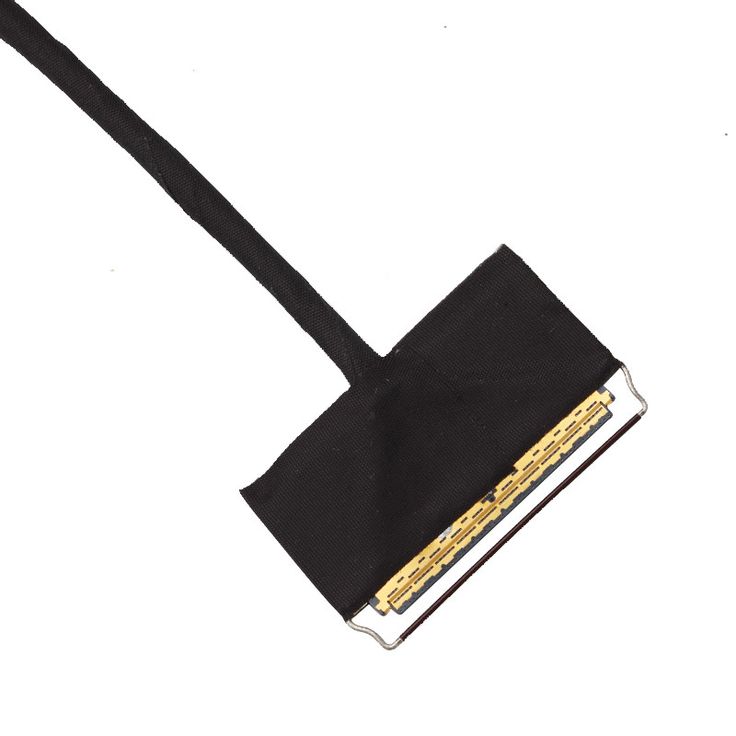
Cable assemblies are widely used in industrial automation, robotics, transportation systems, and outdoor equipment. In many of these applications, cables are exposed to harsh environmental conditions such as extreme temperatures, moisture, chemicals, and mechanical stress. These factors can significantly affect cable performance and lead to premature failure if not properly addressed.
Understanding the causes of failure helps engineers design more durable cable systems and improve long-term reliability.
1. Extreme Temperatures
Temperature is one of the most common factors affecting cable performance.
High Temperatures
Excessive heat can degrade insulation materials, causing them to harden, crack, or lose flexibility. Over time, this may expose conductors and lead to short circuits or electrical leakage.
Low Temperatures
Cold environments can make cable insulation brittle, increasing the risk of cracking during movement or installation.
Selecting temperature-resistant materials is essential for applications exposed to extreme conditions.
2. Moisture and Water Ingress
Moisture can penetrate cable assemblies and affect both electrical and mechanical performance.
Common issues include:
- corrosion of conductors and connectors
- reduced insulation resistance
- short circuits
Outdoor equipment, marine systems, and industrial environments often require cables with water-resistant or waterproof designs to prevent ingress.
3. Mechanical Stress and Vibration
In many applications, cable assemblies are subject to continuous movement, vibration, or mechanical loading.
This can lead to:
- conductor fatigue from repeated bending
- insulation wear due to friction
- connector loosening or failure
High-flex cable designs and proper routing can help reduce mechanical stress and extend cable life.
4. Chemical Exposure
Industrial environments may expose cables to oils, solvents, acids, or other chemicals. These substances can degrade insulation materials and protective jackets.
Chemical damage can result in:
- softening or swelling of materials
- cracking or breakdown of insulation
- reduced mechanical strength
Using chemically resistant materials is important in such environments.
5. UV Radiation and Outdoor Exposure
Cables used outdoors are often exposed to ultraviolet (UV) radiation from sunlight. Over time, UV exposure can weaken insulation and cause it to become brittle or discolored.
This type of degradation may lead to:
- cracks in the cable jacket
- reduced flexibility
- increased risk of electrical failure
UV-resistant materials are typically used for outdoor cable assemblies.
6. Electromagnetic Interference (EMI)
Harsh environments often include high levels of electrical noise from nearby equipment such as motors, generators, or power systems.
EMI can:
- disrupt signal transmission
- cause data errors
- reduce system reliability
Shielded cable designs and proper grounding techniques help minimize interference.
7. Poor Cable Routing and Installation
Improper installation can significantly reduce cable lifespan, especially in demanding environments.
Common issues include:
- excessive bending beyond recommended limits
- tight routing that causes stress points
- lack of strain relief at connectors
Careful routing and installation practices are essential to prevent premature failure.
8. Inadequate Material Selection
Using materials that are not suited for the operating environment is a major cause of cable failure.
For example:
- standard PVC insulation may not withstand high temperatures
- non-sealed connectors may fail in wet environments
- unshielded cables may struggle in high-noise areas
Manufacturers experienced in harsh-environment applications, such as Darlox, typically select materials and designs tailored to specific conditions.
How to Prevent Cable Failures
To improve reliability in harsh environments, engineers can:
- choose cables rated for temperature, moisture, and chemicals
- use shielding and grounding for EMI protection
- implement proper cable routing and strain relief
- select high-flex designs for moving applications
- perform regular inspection and maintenance
Conclusion
Cable assemblies can fail in harsh environments due to a combination of thermal, mechanical, environmental, and electrical factors. Understanding these challenges allows engineers to design more robust cable systems that withstand demanding conditions.
By selecting appropriate materials, improving routing practices, and addressing environmental risks, it is possible to significantly extend the lifespan and reliability of cable assemblies in challenging applications.


