
Introduction
As electronic products are sold into global markets, environmental compliance has become an essential part of cable assembly design and manufacturing. Two of the most widely recognized regulations are RoHS (Restriction of Hazardous Substances) and REACH (Registration, Evaluation, Authorisation and Restriction of Chemicals).
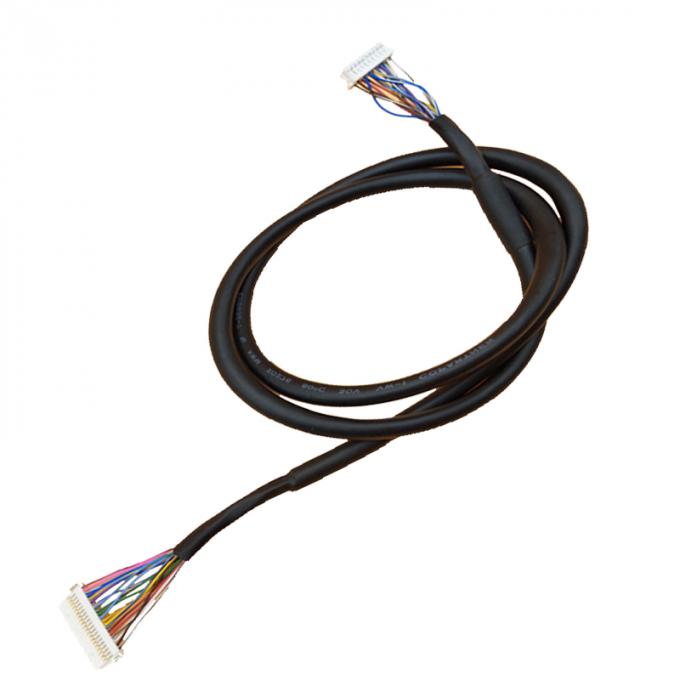
Whether you are sourcing FFC cables, FPC assemblies, micro coax cables, LVDS cables, or custom wire harnesses, understanding these regulations helps reduce compliance risks, simplify product approvals, and improve supply chain transparency.
This article explains what RoHS and REACH are, how they differ, and why compliance is important for cable assemblies.
What Is RoHS?
RoHS is an environmental directive introduced by the European Union to limit the use of certain hazardous substances in electrical and electronic equipment.
The objective is to reduce environmental pollution and protect human health by restricting materials that may be harmful during manufacturing, use, recycling, or disposal.
Today, RoHS compliance is expected by many customers worldwide, even outside Europe.
Restricted Substances Under RoHS
RoHS currently restricts ten substances, including:
- Lead (Pb)
- Mercury (Hg)
- Cadmium (Cd)
- Hexavalent Chromium (Cr⁶⁺)
- Polybrominated Biphenyls (PBB)
- Polybrominated Diphenyl Ethers (PBDE)
- Bis(2-ethylhexyl) phthalate (DEHP)
- Butyl benzyl phthalate (BBP)
- Dibutyl phthalate (DBP)
- Diisobutyl phthalate (DIBP)
These substances may be found in solder, plating, plastics, insulation materials, flame retardants, or coatings if unsuitable materials are selected.
What Is REACH?
REACH is another European Union regulation that focuses on the safe use and management of chemicals throughout the supply chain.
Unlike RoHS, which restricts specific hazardous substances in electrical equipment, REACH requires manufacturers and suppliers to monitor chemicals known as Substances of Very High Concern (SVHCs).
The SVHC candidate list is updated periodically, so manufacturers must continuously review the materials used in their products.
RoHS vs. REACH
Although both regulations promote environmental protection, they have different objectives.
| Feature | RoHS | REACH |
|---|---|---|
| Primary focus | Restricts hazardous substances in electrical equipment | Regulates chemical substances throughout the supply chain |
| Scope | Electrical and electronic products | Most products and chemical substances |
| Number of regulated substances | Fixed list of restricted substances | Candidate list changes over time |
| Compliance approach | Limits specific substances | Requires monitoring and communication of SVHCs |
For many cable assemblies, both regulations must be considered simultaneously.
Why Compliance Matters for Cable Assemblies
Cable assemblies contain a wide variety of materials, including:
- Copper conductors
- Connector housings
- Plastic insulation
- Adhesives
- Reinforcement materials
- Overmolding compounds
- Shielding films
- Metal plating
Each material must be evaluated to ensure it complies with applicable environmental requirements.
Failure to do so may delay product approvals or restrict access to international markets.
Materials Commonly Reviewed
During compliance evaluations, manufacturers typically verify:
Conductors
Copper conductors should use compliant plating materials and avoid restricted substances.
Plastic Insulation
Materials such as PVC, TPE, TPU, FEP, PTFE, PET, and polyimide should be sourced from qualified suppliers that provide compliance documentation.
Connectors
Connector housings, contacts, and plating finishes should meet applicable RoHS requirements.
Adhesives
Bonding materials used in FFC and FPC manufacturing should also be assessed for restricted chemicals.
Overmolding Materials
Thermoplastic overmolding compounds should comply with both RoHS and REACH where applicable.
Supplier Material Documentation
Reliable cable manufacturers maintain documentation for purchased materials, such as:
- Material declarations
- Certificates of compliance
- Test reports from accredited laboratories
- Supplier declarations
- Safety Data Sheets (SDS), where applicable
These records support traceability and simplify customer audits.
Manufacturing Controls
Compliance involves more than selecting approved materials.
Manufacturers also implement processes to:
- Qualify suppliers
- Verify incoming materials
- Control production changes
- Maintain traceability
- Update documentation when regulations change
Strong quality systems help ensure continued compliance throughout the product lifecycle.
Industries Requiring RoHS and REACH Compliance
Environmental compliance is commonly expected in:
- Consumer electronics
- Industrial automation
- Medical devices
- Automotive electronics
- Telecommunications equipment
- AI servers and networking hardware
- Robotics systems
- Smart home devices
Many OEMs specify RoHS and REACH compliance as mandatory purchasing requirements.
Common Misconceptions
“RoHS Compliance Automatically Means REACH Compliance”
Not necessarily.
RoHS and REACH address different regulatory requirements. A product may comply with one regulation while additional evaluation is needed for the other.
“Compliance Is Only About the Cable”
Complete cable assemblies include connectors, terminals, adhesives, shielding materials, labels, and overmolded components. Every applicable material should be considered during compliance assessments.
“Compliance Never Changes”
Regulations evolve over time. REACH, in particular, regularly updates its list of Substances of Very High Concern, requiring manufacturers to review materials and supplier documentation on an ongoing basis.
How Darlox Supports Customer Compliance
Darlox manufactures custom cable assemblies for global customers with an emphasis on quality, traceability, and environmental responsibility.
Products can be supplied using materials that meet customer requirements for:
- RoHS compliance
- REACH compliance
- Custom material specifications
- High-speed cable applications
- FFC and FPC assemblies
- Micro coax cable assemblies
- Wire harnesses
- LVDS and eDP cable solutions
Working closely with qualified material suppliers and maintaining comprehensive documentation helps streamline customer qualification and regulatory reviews.
Conclusion
RoHS and REACH compliance have become standard expectations for modern cable assemblies supplied to global markets. While both regulations support safer products and environmental protection, they address different aspects of hazardous substance management.
By selecting compliant materials, maintaining supplier documentation, and implementing robust quality control processes, manufacturers can help OEMs reduce regulatory risks and confidently supply products worldwide.
For buyers, understanding these requirements is an important step toward selecting a cable assembly partner that delivers not only high performance but also long-term compliance and supply chain reliability.


